Ellen Barrow
F, b. circa 1848
Ellen Barrow|b. c 1848|p13.htm#i245|Richard Barrow|b. c 1826|p11.htm#i218|(?) (?)|d. b 1881|p11.htm#i219|||||||||||||
| Father | Richard Barrow b. c 1826 |
| Mother | (?) (?) d. b 1881 |
Ellen Barrow was born circa 1848 at Little Bolton. She appeared on the 1871 Census in 29 Watery Lane, Sutton, St Helens, Lancashire, and Richard Barrow, Nathan? Barrow, Mary Ann Barrow and James Barrow were living in the same household; Richard the head was described as a labourer, as were the rest of the family.
Nathan? Barrow
M, b. circa 1853
Nathan? Barrow|b. c 1853|p13.htm#i246|Richard Barrow|b. c 1826|p11.htm#i218|(?) (?)|d. b 1881|p11.htm#i219|||||||||||||
| Father | Richard Barrow b. c 1826 |
| Mother | (?) (?) d. b 1881 |
Nathan? Barrow was born circa 1853 at, St Helens, Lancashire, . He appeared on the 1871 Census in 29 Watery Lane, Sutton, St Helens, Lancashire, and Richard Barrow, Ellen Barrow, Mary Ann Barrow and James Barrow were living in the same household; Richard the head was described as a labourer, as were the rest of the family.
James Barrow
M, b. circa 1859
James Barrow|b. c 1859|p13.htm#i247|Richard Barrow|b. c 1826|p11.htm#i218|(?) (?)|d. b 1881|p11.htm#i219|||||||||||||
| Father | Richard Barrow b. c 1826 |
| Mother | (?) (?) d. b 1881 |
James Barrow was born circa 1859 at, St Helens, Lancashire, . He appeared on the 1871 Census in 29 Watery Lane, Sutton, St Helens, Lancashire, and Richard Barrow, Ellen Barrow, Nathan? Barrow and Mary Ann Barrow were living in the same household; Richard the head was described as a labourer, as were the rest of the family. James Barrow appeared on the 1881 Census in Chancery Lane Cloggers Shop, Parr, St Helens, Lancashire, and Richard Barrow, Mary Ann Barrow and Richard Barrow were living in the same household; James was the head and was described as a clogger, his father Richard, a widow, was a general labourer, Mary was a housekeeper, a nephew to James was also present - Richard. Also in the household was a boarder John Hampten, a foreman shunter on the railway. James Barrow witnessed the marriage of Henry Chaulk and Mary Ann Barrow on 28 June 1882 at Parr, St Helens, Lancashire; At the time of the marriage Henry was working as a labourer and both he and his bride gave their place of residence as Parr.
Mary Peel
F, b. circa 1834
Her married name was Morris. Mary Peel was born circa 1834 at, St Helens, Lancashire, . She married James Morris, son of Thomas Morris and Anne Lowe. Mary Peel appeared on the 1861 Census in, St Helens, Lancashire, , and James Morris, Elizabeth Morris, Ellen Morris and Thomas Morris were living in the same household; James the head was a blacksmith. Also lodging with the family were a charwoman Margery Witon(?) and her daugther Mary Ellen. At this time James' father was living next door.
Family | James Morris b. c 1833 |
| Children |
|
Elizabeth Morris
F, b. circa 1855
Elizabeth Morris|b. c 1855|p13.htm#i249|James Morris|b. c 1833|p12.htm#i232|Mary Peel|b. c 1834|p13.htm#i248|Thomas Morris|b. c 1812|p2.htm#i31|Anne Lowe|b. c 1807|p7.htm#i142|||||||
| Father | James Morris b. c 1833 |
| Mother | Mary Peel b. c 1834 |
| Charts | Thomas Morris (of Lancashire) Descendants |
Elizabeth Morris was born circa 1855 at, St Helens, Lancashire, . She appeared on the 1861 Census in, St Helens, Lancashire, , and James Morris, Mary Peel, Ellen Morris and Thomas Morris were living in the same household; James the head was a blacksmith. Also lodging with the family were a charwoman Margery Witon(?) and her daugther Mary Ellen. At this time James' father was living next door.
Ellen Morris
F, b. circa 1856
Ellen Morris|b. c 1856|p13.htm#i250|James Morris|b. c 1833|p12.htm#i232|Mary Peel|b. c 1834|p13.htm#i248|Thomas Morris|b. c 1812|p2.htm#i31|Anne Lowe|b. c 1807|p7.htm#i142|||||||
| Father | James Morris b. c 1833 |
| Mother | Mary Peel b. c 1834 |
| Charts | Thomas Morris (of Lancashire) Descendants |
Ellen Morris was born circa 1856 at, St Helens, Lancashire, . She appeared on the 1861 Census in, St Helens, Lancashire, , and James Morris, Mary Peel, Elizabeth Morris and Thomas Morris were living in the same household; James the head was a blacksmith. Also lodging with the family were a charwoman Margery Witon(?) and her daugther Mary Ellen. At this time James' father was living next door.
Thomas Morris
M, b. 31 August 1857, d. 26 December 1925
Thomas Morris|b. 31 Aug 1857\nd. 26 Dec 1925|p13.htm#i251|James Morris|b. c 1833|p12.htm#i232|Mary Peel|b. c 1834|p13.htm#i248|Thomas Morris|b. c 1812|p2.htm#i31|Anne Lowe|b. c 1807|p7.htm#i142|||||||
| Father | James Morris b. c 1833 |
| Mother | Mary Peel b. c 1834 |
| Charts | Thomas Morris (of Lancashire) Descendants |
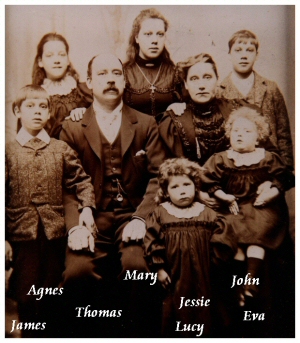
Dwelling: 8 Market St
Census Place: Widnes, Lancashire, England
Source: FHL Film 1341892 PRO Ref RG11 Piece 3725 Folio 63 Page 62
Marr Age Sex Birthplace
Sarah SHACKLETON W 61 F Whitehaven, Lancashire, England
Rel: Head
Occ: Housekeeper
Jane CHARLES W 39 F Liverpool, Lancashire, England
Rel: Daur
William CHARLES U 17 M Liverpool, Lancashire, England
Rel: Grand Son
Occ: Clerk At Chemical Works (Comm)
Robert CHARLES U 15 M Liverpool, Lancashire, England
Rel: Grand Son
Occ: Joiners Apprentice
Sarah CHARLES 13 F Liverpool, Lancashire, England
Rel: Grand Daur
Occ: Scholar
George CHARLES 11 M Liverpool, Lancashire, England
Rel: Grand Son
Occ: Scholar
James CHARLES 5 M Liverpool, Lancashire, England
Rel: Grand Son
Occ: Scholar
Joseph CHARLES 1 M Liverpool, Lancashire, England
Rel: Grand Son
William BARING 7 M (British Subject), Peru
Rel: Grand Son
Occ: Scholar
Elizabeth BARING 3 F Birmingham, Warwick, England
Rel: Grand Daur
Occ: Scholar
Thomas MORRIS U 24 M Sutton, Lancashire, England
Rel: Boarder
Occ: Fitter In Iron Foundry (Manuf)
Edward DICKSON U 18 M Warrington, Lancashire, England
Rel: Boarder
Occ: Plumber Apprentice.
Thomas Morris married Jessie Shingler on 31 October 1881 at St Bedes RC Church, Widnes, Lancashire. Thomas Morris appeared on the 1891 Census in 38 Gladstone Street, Widnes, Lancashire; Thomas, the head was a fitter and there was a boarder living with the family by the name of Joseph Carr, a moulder born in Sutton. Thomas Morris died on 26 December 1925 at age 68.
Family | Jessie Shingler b. c 1864 |
| Marriage* | He married Jessie Shingler on 31 October 1881 at St Bedes RC Church, Widnes, Lancashire. |
| Children |
|
Henry Morris
M, b. circa 1855
Henry Morris|b. c 1855|p13.htm#i252|Thomas Morris|b. c 1812|p2.htm#i31|Anne Lowe|b. c 1807|p7.htm#i142|||||||||||||
| Father | Thomas Morris b. c 1812 |
| Mother | Anne Lowe b. c 1807 |
| Charts | Thomas Morris (of Lancashire) Descendants |
Henry Morris was born circa 1855 at, St Helens, Lancashire, . He appeared on the 1861 Census and Thomas Morris, Anne Lowe, Martha Morris, William Morris and Ellen Morris were living in the same household; Thomas was still a blacksmith. In this year Thomas was shown in the electoral register at 71 Hills Moss Lane (where his daughter Ellen and her husband Daniel Hardman were then living). Henry Morris appeared on the 1871 Census in, St Helens, Lancashire, , and Ellen Morris, Anne Lowe, William Morris and Thomas Morris were living in the same household; Thomas, the head, was a Blacksmith and Henry is a labourer. Henry is described here as a grandson as opposed to son in the census of 1861. There is a possible entry for Henry in the 1881 census
Dwelling: Bartons Row
Census Place: Rainford, Lancashire, England
Source: FHL Film 1341895 PRO Ref RG11 Piece 3741 Folio 9 Page 12
Marr Age Sex Birthplace
Henry MORRIS M 25 M St Helens, Lancashire, England
Rel: Head
Occ: Coal Miner
Jane MORRIS M 26 F St Helens, Lancashire, England
Rel: Wife
Mary MORRIS 5 F Rainford, Lancashire, England
Rel: Daur
Edwin MORRIS 3 M Rainford, Lancashire, England
Rel: Son
Alice MORRIS 1 F Rainford, Lancashire, England
Rel: Daur.
Dwelling: Bartons Row
Census Place: Rainford, Lancashire, England
Source: FHL Film 1341895 PRO Ref RG11 Piece 3741 Folio 9 Page 12
Marr Age Sex Birthplace
Henry MORRIS M 25 M St Helens, Lancashire, England
Rel: Head
Occ: Coal Miner
Jane MORRIS M 26 F St Helens, Lancashire, England
Rel: Wife
Mary MORRIS 5 F Rainford, Lancashire, England
Rel: Daur
Edwin MORRIS 3 M Rainford, Lancashire, England
Rel: Son
Alice MORRIS 1 F Rainford, Lancashire, England
Rel: Daur.
Alice (?)
F, b. circa 1854
Her married name was Morris. Alice (?) was born circa 1854 at St Helens, Lancashire. She married William Morris, son of Thomas Morris and Anne Lowe. Alice (?) appeared on the 1881 Census in 79 Bold Road, Sutton, St Helens, Lancashire, and William Morris, Annie Morris, Thomas Morris and Elizabeth Morris were living in the same household; William, the head gave his occupation as a blacksmith. William was living just round the corner from his father and brother in law Daniel Hardman who lived on Hills Moss Lane.
Family | William Morris b. c 1849 |
| Children |
|
Annie Morris
F, b. circa 1877
Annie Morris|b. c 1877|p13.htm#i254|William Morris|b. c 1849|p12.htm#i236|Alice (?)|b. c 1854|p13.htm#i253|Thomas Morris|b. c 1812|p2.htm#i31|Anne Lowe|b. c 1807|p7.htm#i142|||||||
| Father | William Morris b. c 1849 |
| Mother | Alice (?) b. c 1854 |
| Charts | Thomas Morris (of Lancashire) Descendants |
Annie Morris was born circa 1877 at St Helens, Lancashire. She appeared on the 1881 Census in 79 Bold Road, Sutton, St Helens, Lancashire, and William Morris, Alice (?), Thomas Morris and Elizabeth Morris were living in the same household; William, the head gave his occupation as a blacksmith. William was living just round the corner from his father and brother in law Daniel Hardman who lived on Hills Moss Lane.
Thomas Morris
M, b. circa 1878
Thomas Morris|b. c 1878|p13.htm#i255|William Morris|b. c 1849|p12.htm#i236|Alice (?)|b. c 1854|p13.htm#i253|Thomas Morris|b. c 1812|p2.htm#i31|Anne Lowe|b. c 1807|p7.htm#i142|||||||
| Father | William Morris b. c 1849 |
| Mother | Alice (?) b. c 1854 |
| Charts | Thomas Morris (of Lancashire) Descendants |
Thomas Morris was born circa 1878 at St Helens, Lancashire. He appeared on the 1881 Census in 79 Bold Road, Sutton, St Helens, Lancashire, and William Morris, Alice (?), Annie Morris and Elizabeth Morris were living in the same household; William, the head gave his occupation as a blacksmith. William was living just round the corner from his father and brother in law Daniel Hardman who lived on Hills Moss Lane.
Elizabeth Morris
F, b. circa 1880
Elizabeth Morris|b. c 1880|p13.htm#i256|William Morris|b. c 1849|p12.htm#i236|Alice (?)|b. c 1854|p13.htm#i253|Thomas Morris|b. c 1812|p2.htm#i31|Anne Lowe|b. c 1807|p7.htm#i142|||||||
| Father | William Morris b. c 1849 |
| Mother | Alice (?) b. c 1854 |
| Charts | Thomas Morris (of Lancashire) Descendants |
Elizabeth Morris was born circa 1880 at St Helens, Lancashire. She appeared on the 1881 Census in 79 Bold Road, Sutton, St Helens, Lancashire, and William Morris, Alice (?), Annie Morris and Thomas Morris were living in the same household; William, the head gave his occupation as a blacksmith. William was living just round the corner from his father and brother in law Daniel Hardman who lived on Hills Moss Lane.
William Henry Chaulk
M, b. 23 February 1879, d. 1954
William Henry Chaulk|b. 23 Feb 1879\nd. 1954|p13.htm#i257|Thomas Chaulk|b. 26 Dec 1858|p5.htm#i97|Elizabeth Catherine Williams|b. c 1859\nd. 16 Sep 1932|p5.htm#i98|William Chaulk|b. 21 Aug 1831|p2.htm#i24|Mary Thorn|b. c 1835\nd. c 1916|p2.htm#i25|||||||
| Father | Thomas Chaulk b. 26 Dec 1858 |
| Mother | Elizabeth Catherine Williams b. c 1859, d. 16 Sep 1932 |
| Charts | William Chaulk Descendants |
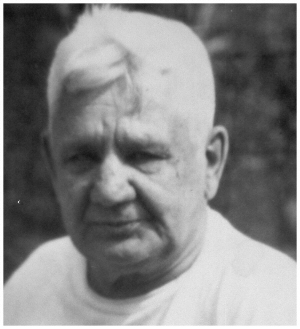
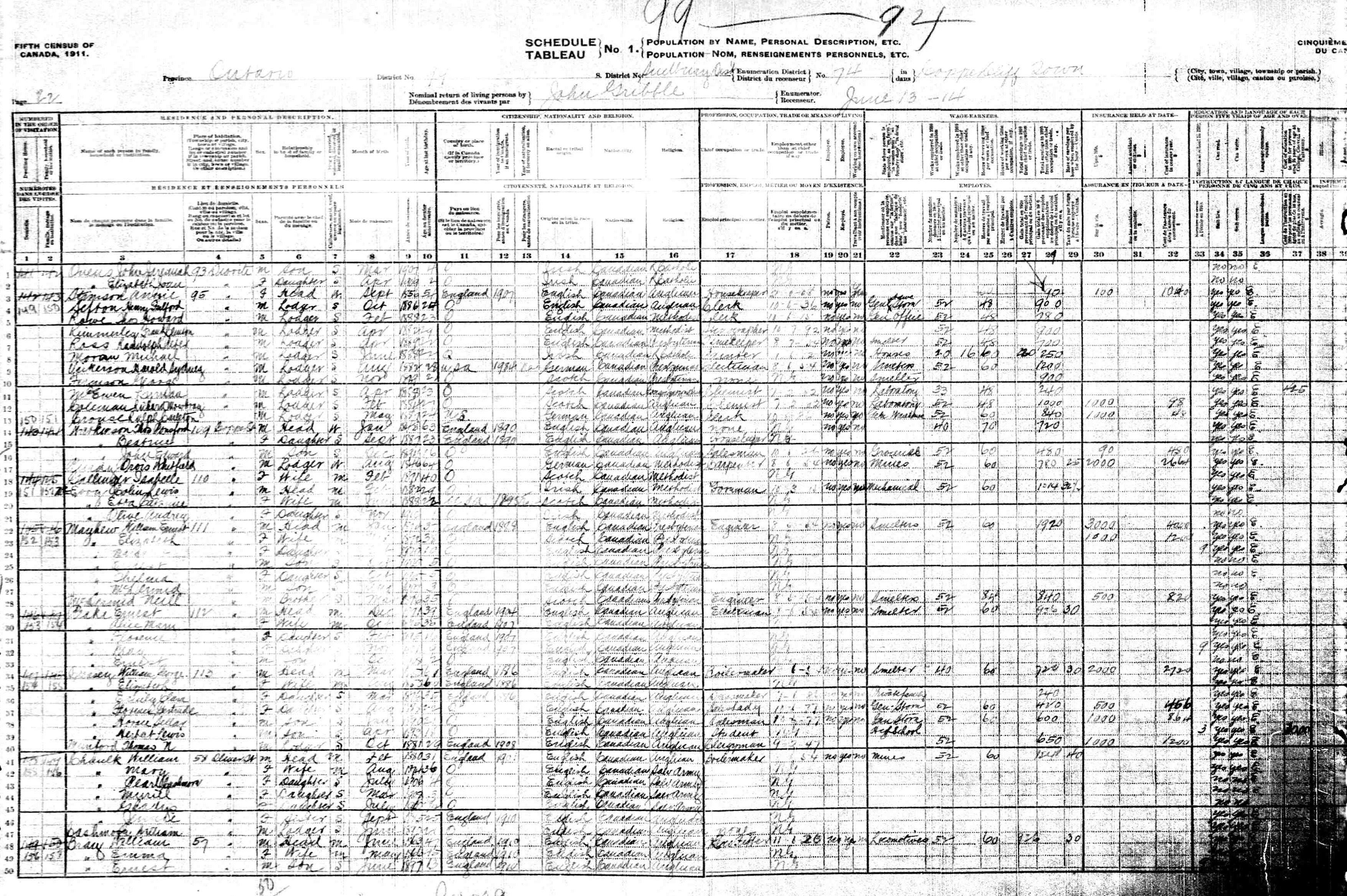
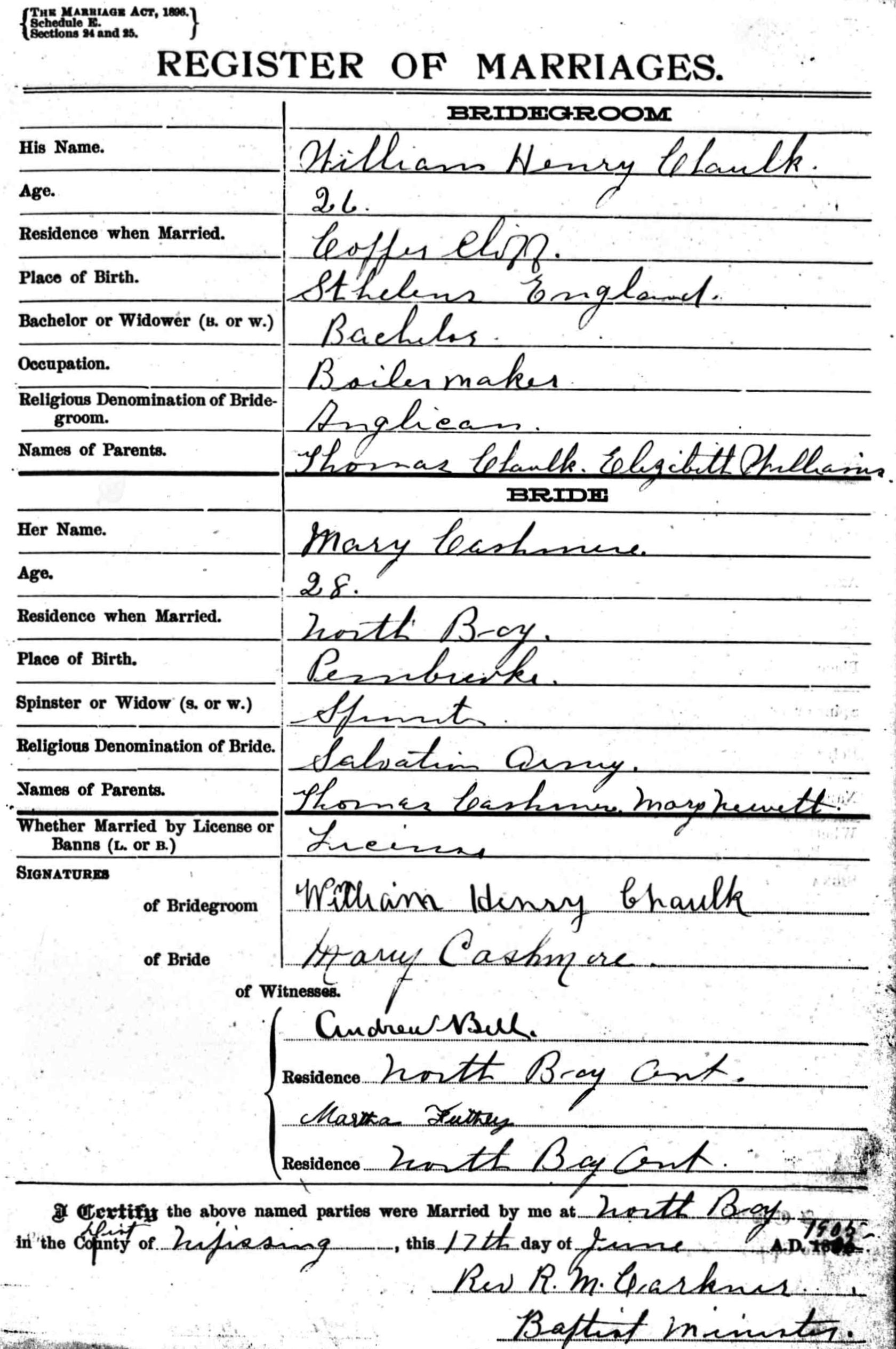
William Henry Chaulk married Mary Ann Cashmore, daughter of George Cashmore and Elizabeth Reddy, on 17 June 1905 at North Bay, Nipissing, Ontario, Canada; William was resident at Coppercliff and Mary at North Bay at the time. William was a boilermaker and interesting statement of the time is that there is no space on the register to request the occupation of the spouse. William was Anglican and Mary Salvatiion Army. William Henry Chaulk appeared on the 1911 Census in, Sudbury, Ontario, , Canada, and Jane Ellen Chaulk, Mary Ann Cashmore, Pearl Chaulk, Gladys Mae Chaulk and William Ernest Cashmore were living in the same household; William was a boilermaker in the mines and earned $1248 in the year working a 60 hour week for 40c per hour. Jennie, William's sister was staying with them at the time, and a lodger was William Cashmore who Jennie later married. William Henry Chaulk died in 1954 at Sudbury, Ontario, Canada. He was buried in 1954 at Sudbury Churchyard, Canada.
Family | Mary Ann Cashmore b. 7 Aug 1872, d. 1951 |
| Marriage* | He married Mary Ann Cashmore, daughter of George Cashmore and Elizabeth Reddy, on 17 June 1905 at North Bay, Nipissing, Ontario, Canada; William was resident at Coppercliff and Mary at North Bay at the time. William was a boilermaker and interesting statement of the time is that there is no space on the register to request the occupation of the spouse. William was Anglican and Mary Salvatiion Army. |
| Children |
|
Mary Elizabeth Chaulk
F, b. 10 June 1883, d. 19 May 1935
Mary Elizabeth Chaulk|b. 10 Jun 1883\nd. 19 May 1935|p13.htm#i258|Thomas Chaulk|b. 26 Dec 1858|p5.htm#i97|Elizabeth Catherine Williams|b. c 1859\nd. 16 Sep 1932|p5.htm#i98|William Chaulk|b. 21 Aug 1831|p2.htm#i24|Mary Thorn|b. c 1835\nd. c 1916|p2.htm#i25|||||||
| Father | Thomas Chaulk b. 26 Dec 1858 |
| Mother | Elizabeth Catherine Williams b. c 1859, d. 16 Sep 1932 |
| Charts | William Chaulk Descendants |
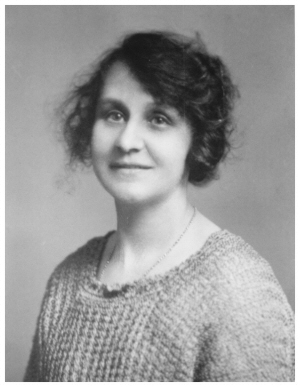
Family | Arthur William Fountain b. c 1888 |
| Marriage* | She married Arthur William Fountain, son of Alfred Fountain and (?) (?), on 9 April 1910 at, St Helens, Lancashire, , and the ceremony was witnessed by Jonathon Robert Almond and Jane Ellen Chaulk; Mary lived at 104 Peckers Hill Road at the time of the marriage, and Arthur was a collier. |
| Children |
|
Jane Ellen Chaulk
F, b. 16 September 1885, d. 29 October 1960
Jane Ellen Chaulk|b. 16 Sep 1885\nd. 29 Oct 1960|p13.htm#i259|Thomas Chaulk|b. 26 Dec 1858|p5.htm#i97|Elizabeth Catherine Williams|b. c 1859\nd. 16 Sep 1932|p5.htm#i98|William Chaulk|b. 21 Aug 1831|p2.htm#i24|Mary Thorn|b. c 1835\nd. c 1916|p2.htm#i25|||||||
| Father | Thomas Chaulk b. 26 Dec 1858 |
| Mother | Elizabeth Catherine Williams b. c 1859, d. 16 Sep 1932 |
| Charts | William Chaulk Descendants |
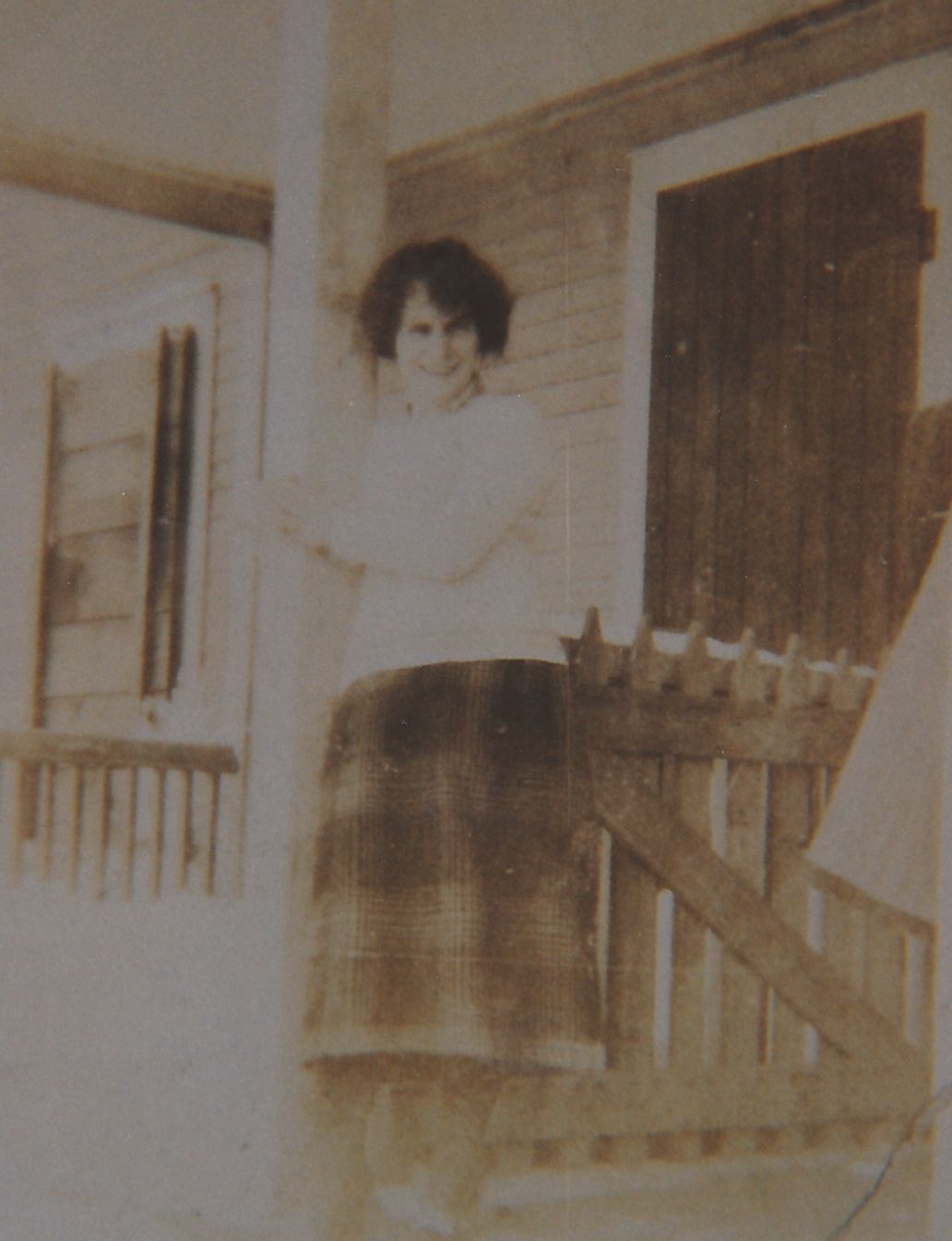
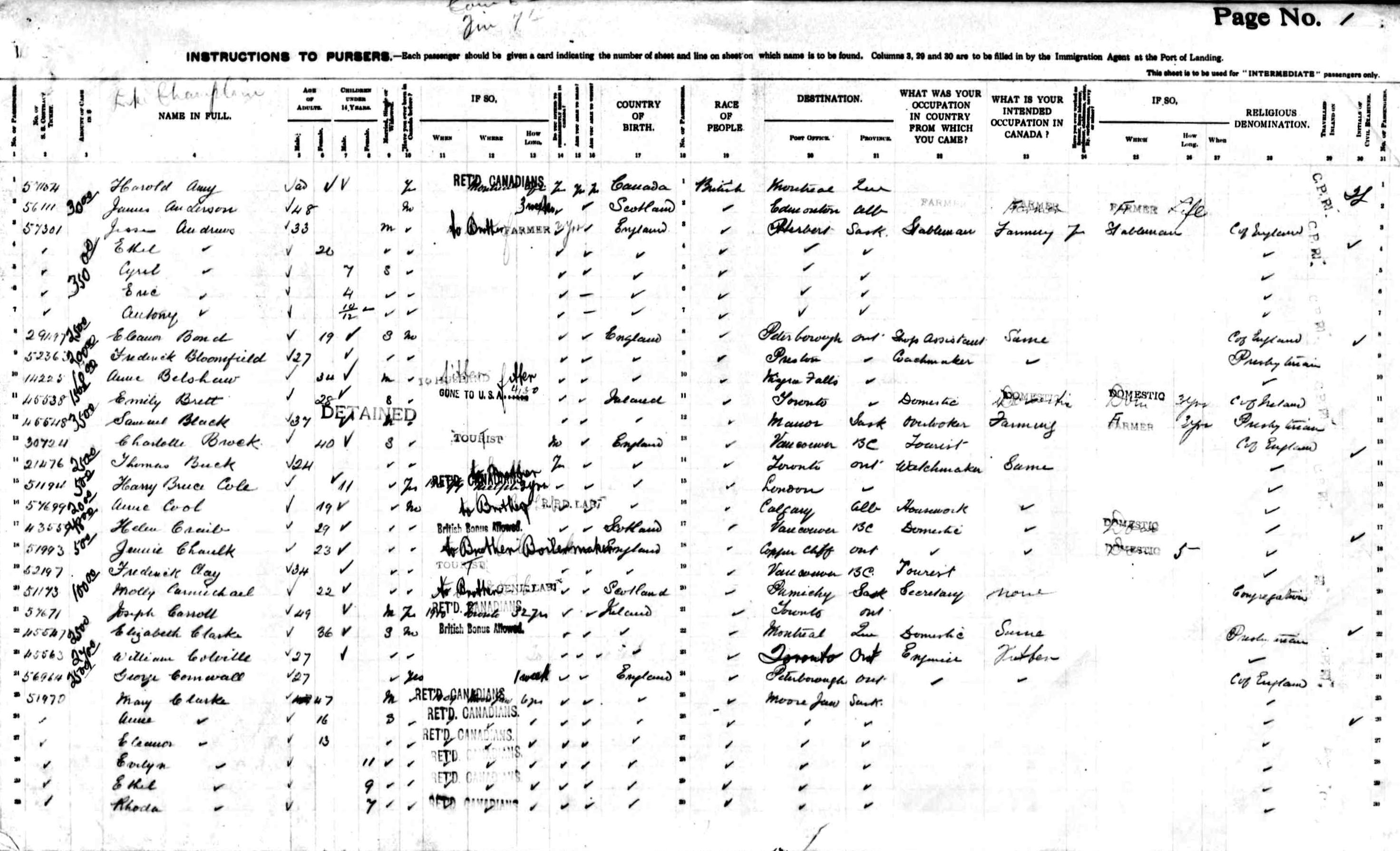
Family | William Ernest Cashmore b. 20 Jun 1890, d. 29 Oct 1940 |
| Marriage* | She married William Ernest Cashmore on 5 August 1911 at Cobden, Ontario, Canada. |
| Children |
|
Christopher Chaulk
M, b. 21 November 1890
Christopher Chaulk|b. 21 Nov 1890|p13.htm#i260|Thomas Chaulk|b. 26 Dec 1858|p5.htm#i97|Elizabeth Catherine Williams|b. c 1859\nd. 16 Sep 1932|p5.htm#i98|William Chaulk|b. 21 Aug 1831|p2.htm#i24|Mary Thorn|b. c 1835\nd. c 1916|p2.htm#i25|||||||
| Father | Thomas Chaulk b. 26 Dec 1858 |
| Mother | Elizabeth Catherine Williams b. c 1859, d. 16 Sep 1932 |
| Charts | William Chaulk Descendants |
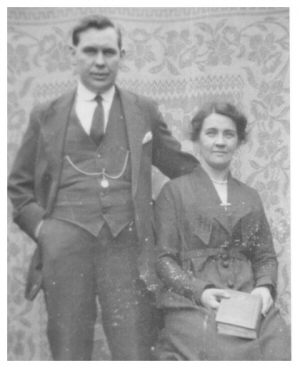
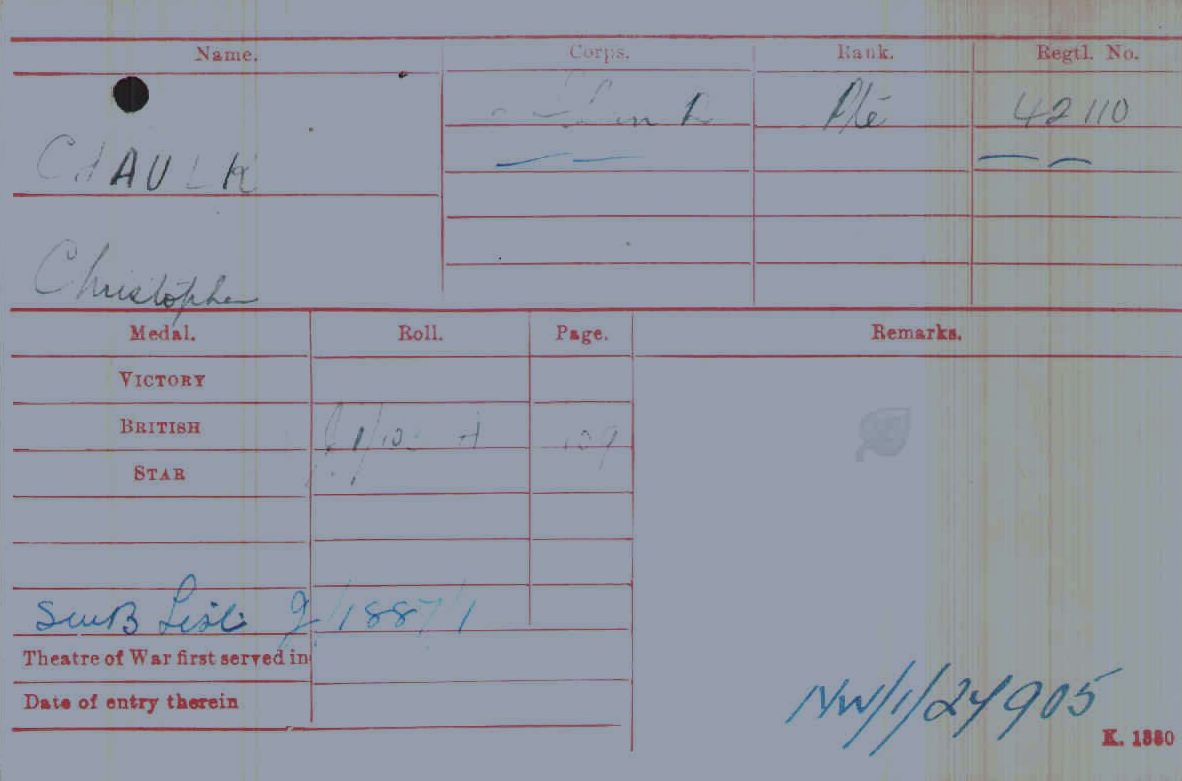
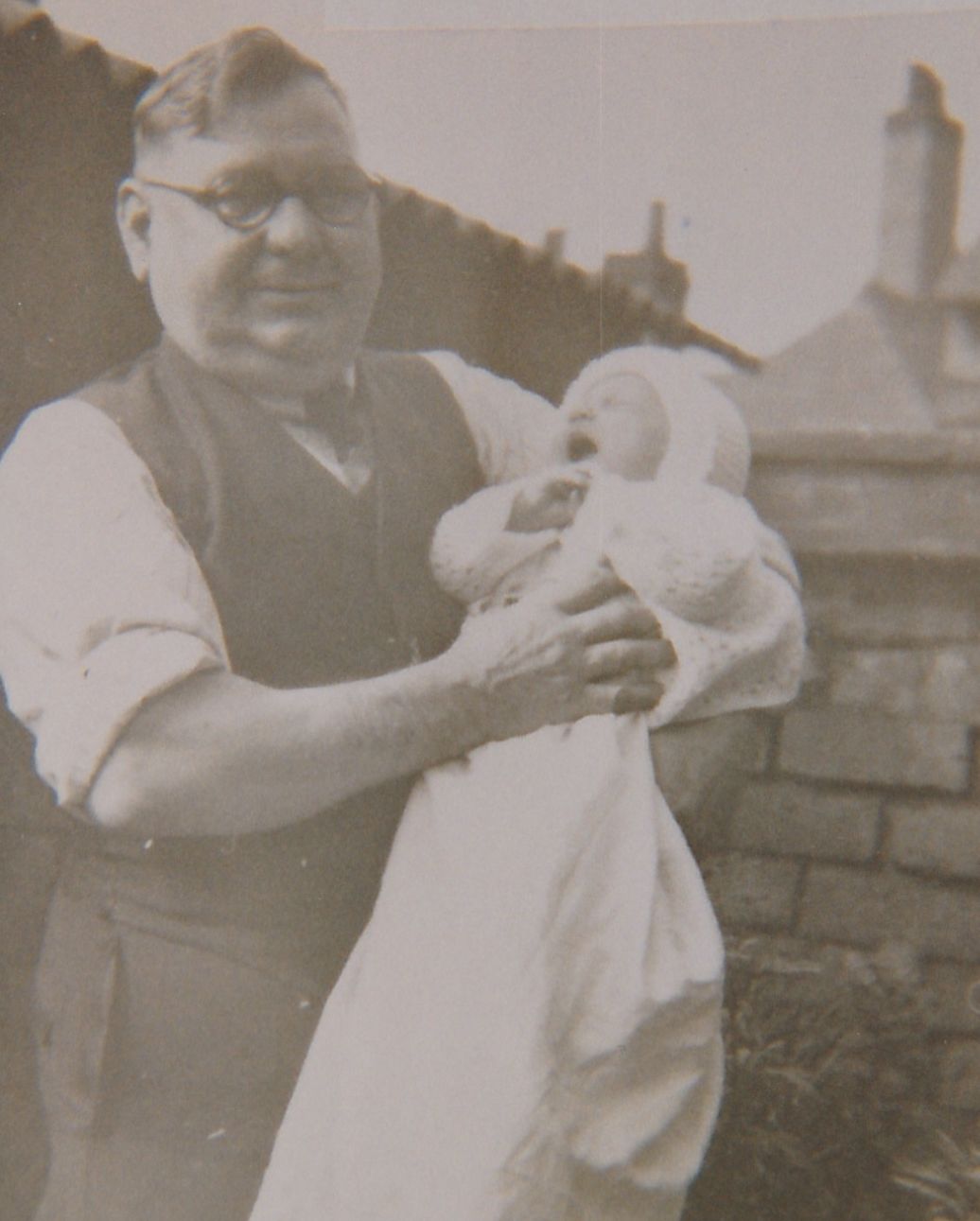
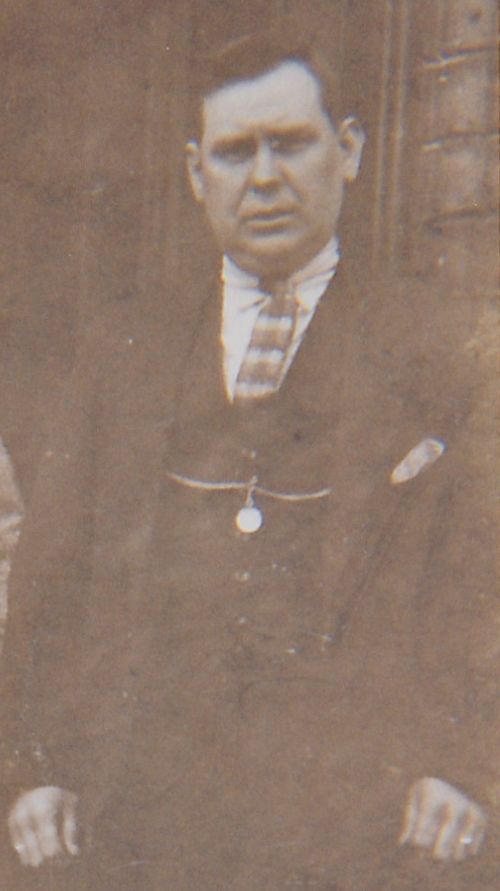
Family | Adelaide (?) |
William Black
M, b. circa 1872
William Black|b. c 1872|p13.htm#i261|John Black|b. c 1843|p11.htm#i216|Elizabeth Dearden|b. c 1844\nd. 1933|p11.htm#i217|George Black|b. c 1820|p18.htm#i365||||||||||
| Father | John Black b. c 1843 |
| Mother | Elizabeth Dearden b. c 1844, d. 1933 |
William Black was born circa 1872 at, St Helens, Lancashire, . He appeared on the 1881 Census in 30 Fenneys Lane, Sutton, St Helens, Lancashire, and John Black, Elizabeth Dearden, Margaret Black, George Black and Mary Ann Black were living in the same household; John the head was a loco driver. It appears that Fenneys Lane was previously known as Mount Pleasant. William Black appeared on the 1891 Census in, St Helens, Lancashire, , and John Black, Elizabeth Dearden, Margaret Black, George Black, Mary Ann Black and Annie May Black were living in the same household; John the head was described as a railway engine driver, William a clerk, Margaret a dressmaker, George an apprentice fitter.
Margaret Black
F, b. circa 1874
Margaret Black|b. c 1874|p13.htm#i262|John Black|b. c 1843|p11.htm#i216|Elizabeth Dearden|b. c 1844\nd. 1933|p11.htm#i217|George Black|b. c 1820|p18.htm#i365||||||||||
| Father | John Black b. c 1843 |
| Mother | Elizabeth Dearden b. c 1844, d. 1933 |
Margaret Black was born circa 1874 at, St Helens, Lancashire, . She appeared on the 1881 Census in 30 Fenneys Lane, Sutton, St Helens, Lancashire, and John Black, Elizabeth Dearden, William Black, George Black and Mary Ann Black were living in the same household; John the head was a loco driver. It appears that Fenneys Lane was previously known as Mount Pleasant. Margaret Black appeared on the 1891 Census in, St Helens, Lancashire, , and John Black, Elizabeth Dearden, William Black, George Black, Mary Ann Black and Annie May Black were living in the same household; John the head was described as a railway engine driver, William a clerk, Margaret a dressmaker, George an apprentice fitter.
George Black
M, b. circa 1875
George Black|b. c 1875|p13.htm#i263|John Black|b. c 1843|p11.htm#i216|Elizabeth Dearden|b. c 1844\nd. 1933|p11.htm#i217|George Black|b. c 1820|p18.htm#i365||||||||||
| Father | John Black b. c 1843 |
| Mother | Elizabeth Dearden b. c 1844, d. 1933 |
George Black was born circa 1875 at, St Helens, Lancashire, . He appeared on the 1881 Census in 30 Fenneys Lane, Sutton, St Helens, Lancashire, and John Black, Elizabeth Dearden, William Black, Margaret Black and Mary Ann Black were living in the same household; John the head was a loco driver. It appears that Fenneys Lane was previously known as Mount Pleasant. George Black appeared on the 1891 Census in, St Helens, Lancashire, , and John Black, Elizabeth Dearden, William Black, Margaret Black, Mary Ann Black and Annie May Black were living in the same household; John the head was described as a railway engine driver, William a clerk, Margaret a dressmaker, George an apprentice fitter. George Black appeared on the 1901 Census in, St Helens, Lancashire, , and John Black, Elizabeth Dearden, Annie May Black, Elizabeth Black and Mary Ann Black were living in the same household; John the head was a railway engine driver, William was a railway clerk, George a steam engine maker turner, Mary and Annie were assistant school mistresses.
Annie May Black
F, b. circa 1882
Annie May Black|b. c 1882|p13.htm#i264|John Black|b. c 1843|p11.htm#i216|Elizabeth Dearden|b. c 1844\nd. 1933|p11.htm#i217|George Black|b. c 1820|p18.htm#i365||||||||||
| Father | John Black b. c 1843 |
| Mother | Elizabeth Dearden b. c 1844, d. 1933 |
Annie May Black was born circa 1882 at, St Helens, Lancashire, . She appeared on the 1891 Census in, St Helens, Lancashire, , and John Black, Elizabeth Dearden, William Black, Margaret Black, George Black and Mary Ann Black were living in the same household; John the head was described as a railway engine driver, William a clerk, Margaret a dressmaker, George an apprentice fitter. Annie May Black appeared on the 1901 Census in, St Helens, Lancashire, , and John Black, Elizabeth Dearden, George Black, Elizabeth Black and Mary Ann Black were living in the same household; John the head was a railway engine driver, William was a railway clerk, George a steam engine maker turner, Mary and Annie were assistant school mistresses.
Close